Thinking about a condo or townhome in Old Fourth Ward? You are not alone. The neighborhood’s walkable lifestyle, access to the BeltLine, and quick hop to Downtown and Midtown make it one of Atlanta’s most in-demand intown spots. In this guide, you will get a clear picture of prices, HOA health, short-term rental rules, parking realities, and a step-by-step plan to evaluate any building with confidence. Let’s dive in.
Why Old Fourth Ward stands out
Old Fourth Ward’s draw starts with the Eastside Trail, Historic Fourth Ward Park, and Ponce City Market. Homes close to completed BeltLine segments have shown notable value gains in studied periods, with one peer-reviewed analysis finding roughly 17.9% to 26.6% greater appreciation for properties within a half-mile of completed segments during 2011 to 2015. You can use that proximity as part of your long-term value story while still balancing budget and lifestyle choices. If walkability, parks, and quick commutes matter to you, O4W checks many boxes.
For context on the BeltLine’s impact, review the academic study that quantified these effects along completed segments of the trail. It is a helpful backdrop as you compare locations and evaluate tradeoffs near the Eastside Trail.
- Reference: See the hedonic analysis of BeltLine price impacts in Urban Geography for the period studied. Read the study summary.
What condos and townhomes cost in O4W
Pricing varies widely by building age, finishes, parking, and exact location within the neighborhood. Public portals often show different medians depending on whether they include all property types or only condos, and whether they measure active listings or closed sales. Use the ranges below as a practical starting point, then verify current comps with MLS data before you write an offer.
Condo price bands
- Smaller condos and lofts (studios to 1-bedroom) often list around 200,000 to 350,000 dollars. Condition, parking, and HOA amenities move the needle.
- Typical 2-bedroom condos commonly run from the mid 300,000s to about 500,000 dollars, especially near the BeltLine, Historic Fourth Ward Park, or Ponce City Market.
Townhome price bands
- Townhomes, whether fee-simple or condo-platted, are usually higher. Expect roughly 400,000 to 800,000 dollars or more for larger or newer homes with private garages and a single-family feel.
Rents and investor math
If you are buying with rental goals, neighborhood-level median rents have hovered roughly in the 2,000 to 2,500 dollars per month range, depending on bedroom count and building. Your best bet is to model cash flow from current rent comps for the specific building and floor plan you are targeting. That way, your cap rate and cash-on-cash estimates reflect real demand, not averages.
HOA health and building governance
Before you commit, study the association like you would a business you plan to buy. Strong reserves, transparent budgets, and clear rules set you up for predictable ownership. Weak reserves and recurring special assessments can add risk and surprise costs.
What documents to request
Ask your agent to order or help you gather these items as soon as you are under contract. Many are included in a standard resale or estoppel package.
- Resale certificate or estoppel showing assessment balances, fines, and any pending special assessments. Learn the basics and timing in this HOA estoppel guide.
- Governing documents: Declaration or CC&Rs, Bylaws, and current Rules and Regulations.
- Financials: current-year budget, income and expense statements, recent bank statements, and the most recent reserve study or reserve schedule.
- Meeting minutes for the last 12 to 36 months to spot maintenance patterns, capital projects, and litigation.
- Insurance: master policy declarations, coverage summary, and deductibles.
- Vendor contracts: management agreement and major service contracts for elevators, roofs, landscaping, and security.
Why reserves matter
Healthy reserves reduce the chance of surprise assessments and signal disciplined financial stewardship. The Community Associations Institute identifies reserve studies and appropriate funding as core markers of association health. Ask whether a formal reserve study exists, when it was last updated, and what percent funded the reserves are. Review CAI guidance on reserves.
Common red flags
- No recent reserve study and low reserve balances.
- Multiple special assessments in the past three years, or a major project planned without clear funding.
- Restrictive rental caps that block long-term leasing if you are an investor, or explicit short-term rental bans if you hoped for STR income.
- Large overdue owner balances or active litigation involving the association.
If you see any of these, you can walk away during due diligence or renegotiate with better terms.
Short-term rental rules you need to know
Atlanta’s short-term rental ordinance created a license program that took effect on March 1, 2022. If you plan to rent your place for short stays, you must comply with the City’s rules and your building’s rules.
City license basics
- Atlanta requires a Short-Term Rental License and that you display the license number on your listings. A person may license their primary residence and one additional dwelling unit, for a total of up to two properties citywide, subject to the ordinance.
- The application fee is 150 dollars. The license is valid for 12 months and must be renewed annually. The City targets processing within up to 10 business days.
- You must designate a local STR Agent who can respond to complaints and accept notices.
Read the City’s program details and application steps on the City of Atlanta STR page.
Building rules and taxes
Even if the City allows an STR license for your address, your condo’s governing documents may prohibit or limit short stays. Verify CC&Rs and any Board resolutions on rentals before you count on short-term income. For tax compliance, confirm current state and local requirements for sales and hotel taxes. Platform collection policies do not replace your filing duties. You can preview tax and compliance considerations here: Atlanta short-term rental regulations overview.
Bottom line if investing: never assume STRs are allowed. Make STR eligibility and a written HOA confirmation part of your contract contingencies if STR income is essential to your plan. If you need a refresher on resale and estoppel packages, this estoppel primer outlines what to request and why.
Parking, BeltLine proximity, and commute factors
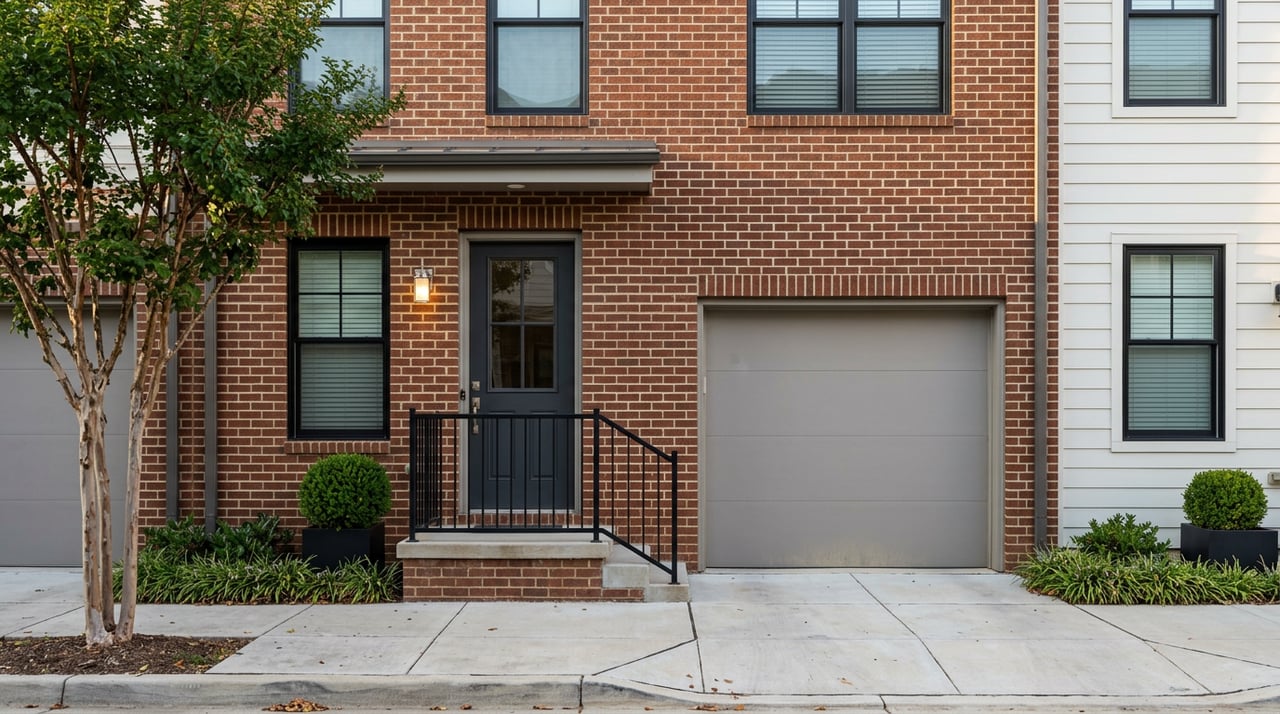
Parking and access can change your daily experience and your resale value. Many condo buildings in Old Fourth Ward include assigned or deeded garage spaces. Some smaller or older communities use assigned surface parking or first-come systems. Townhomes more often include private garages or driveways. Always confirm whether your space is deeded or assigned, its location, and any fees.
If you rely on street parking for guests, check whether your block is in a Residential Parking Permit district. Rules vary by street and zone across intown neighborhoods. Review permit details on ATLDOT Parking Services.
Proximity to the BeltLine and Historic Fourth Ward Park remains a prime demand driver. Good trail access and short commutes to Midtown and Downtown help support stronger rents and faster resale. As you weigh units, consider the tradeoff between trail-fronting addresses, nightlife energy, and weekend traffic, and choose the vibe that fits your routine.
How to evaluate a building and unit
Use a two-part approach: quick online research to narrow the field, followed by focused on-site visits to confirm condition and fit.
Online research checklist
- Confirm the property’s tax parcel, owner of record, and tax history. A parcel search can help you verify basics before an offer. Try the Fulton County property lookup as a starting point: Fulton County property search.
- Pull sold comps and same-building sales through MLS with your agent for exact price context.
- Order the HOA resale or estoppel package immediately after going under contract so you have time to review.
- Search the City’s permitting and short-term rental license records to spot open permits, violations, or license status. Start at the City STR resource page and use city portals for permits or code inquiries.
On-site inspection checklist
- Exterior and envelope: rooflines, flashing, brick and caulking, visible repairs, and any water intrusion clues.
- Entry and security: lobby condition, access control, package handling, elevator condition and service logs if available.
- Common areas: corridors, stairwells, amenity rooms, bike storage, and trash areas for cleanliness and maintenance frequency.
- Inside the unit: windows and ceilings for stains, HVAC age and filter access, water pressure, electrical panel labeling, and any moisture or odor issues.
- Parking: test ingress and egress at peak times and verify the exact space assigned or deeded to the unit.
- Noise and activity: visit on a weekday afternoon and a weekend evening to sense BeltLine foot traffic, nightlife, or street noise.
Questions for the HOA or manager
- When was the last reserve study and what percent funded are the reserves? Ask for the report. See CAI’s best practices on reserve studies and funding.
- What special assessments have been proposed or levied in the past 24 months? What projects did they fund, and how were they collected?
- Insurance: request the master policy declarations, coverage summary, and deductible schedule.
- Rental policy and any short-term rental resolutions. Request copies of board policies that restrict leasing. For background on resale and policy disclosures, review this HOA estoppel guide.
- Management and vendors: contract length, termination terms, and upcoming renewals for major services.
Pros to have on your team
- A licensed home inspector to evaluate structure, systems, and any signs of water intrusion.
- An attorney experienced in Georgia condo and HOA law to interpret CC&Rs and answer governance questions.
- A CPA or mortgage advisor to help you compare financing options and model cash flow if you are investing.
Timeline and smart contingencies
A little structure goes a long way. Use this framework to protect your interests.
- After contract acceptance: immediately order the resale or estoppel package and request full HOA financials, minutes, and insurance summaries.
- During inspection and due diligence: schedule the unit inspection, verify parking details, and meet or speak with the manager or concierge about building operations and upcoming work.
- Contingencies to discuss with your agent and attorney: the right to cancel if the resale certificate reveals more than a set dollar amount in upcoming special assessments; the right to cancel if the HOA confirms that STRs are not permitted when your plan depended on STR income; the right to cancel for undisclosed major structural repairs or building envelope projects.
Buying with confidence
Old Fourth Ward offers a rare mix of trail access, green space, culture, and central location. If you match the right building to your goals, you can enjoy the lifestyle today while positioning yourself for strong demand when it is time to sell or rent. Focus on HOA health, confirm STR and rental policies early, and pay close attention to parking and BeltLine proximity. With a calm, step-by-step process, you will feel confident from offer to keys.
If you would like a tailored list of condos or townhomes that fit your budget and goals, or you want help reviewing HOA documents and rental policies, connect with Roxanne Sellers for a friendly, thorough game plan.
FAQs
What are typical HOA fees for Old Fourth Ward condos?
- HOA fees vary widely by building and amenities, with examples ranging from roughly 200 to 800 dollars per month, so confirm the exact inclusions in the resale certificate before you offer.
Are short-term rentals allowed in Old Fourth Ward condos?
- The City requires a Short-Term Rental License and limits each person to a primary residence plus one additional dwelling, but many condo HOAs restrict or ban STRs, so verify both City rules and your building’s CC&Rs.
How does BeltLine proximity affect O4W condo prices?
- A peer-reviewed study found homes within a half-mile of completed BeltLine segments saw about 17.9% to 26.6% greater appreciation during the studied period, which helps explain the premium near the Eastside Trail.
What parking details should I confirm before buying?
- Verify whether your space is deeded or assigned, its exact location, any associated fees, and whether street parking is permit controlled through the City’s Residential Parking Permit program.
Which HOA documents are most important to review before closing?
- Focus on the resale or estoppel certificate, CC&Rs and rules, current budget and reserve study, meeting minutes for the past 12 to 36 months, master insurance declarations, and any rental or STR policies.