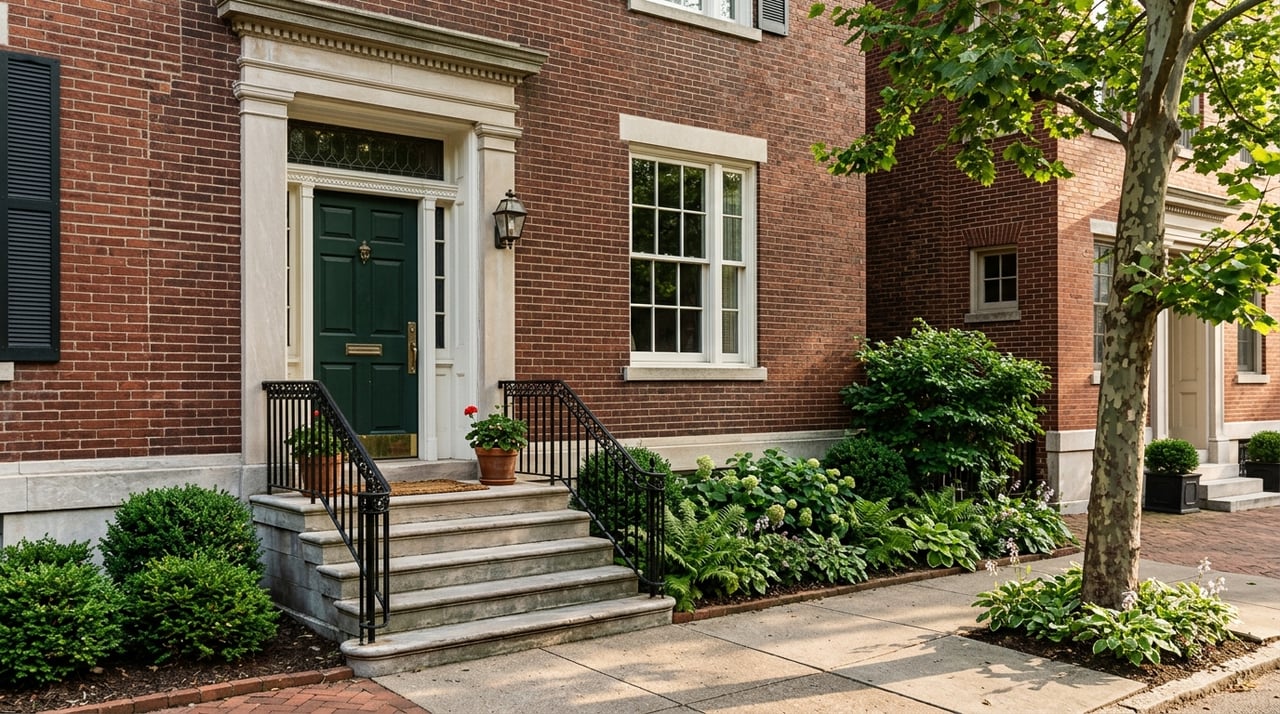
Old Fourth Ward vs Midtown Atlanta: Find Your Fit
May 21, 2026
May 21, 2026
If you love intown Atlanta, choosing between Old Fourth Ward and Midtown can feel harder than it looks. Both neighborhoods put you close to restaurants, parks, and city energy, but your day-to-day experience can be very different depending on where you land. If you are trying to decide which area fits your routine, budget, and housing style, this guide will help you compare the details that matter most. Let’s dive in.
The biggest difference between Old Fourth Ward and Midtown is how each neighborhood supports everyday life. Both are strong intown options, but they are built around different patterns of movement and activity.
Old Fourth Ward, often called O4W, leans into a trail-centered lifestyle. Midtown leans more into rail access, denser city living, and a larger commercial and cultural core. If you know how you want your week to flow, your choice often becomes clearer.
Old Fourth Ward is highly walkable by Atlanta standards, with a Redfin Walk Score of 82, Transit Score of 55, and Bike Score of 85. The Eastside Trail plays a major role in daily life here, linking residents to Historic Fourth Ward Park, Ponce City Market, Thomas Taylor Memorial Skatepark, and nearby Krog Street Market.
That means your routine may center on walking or biking the trail, meeting friends outdoors, or grabbing coffee and dinner without straying far from the neighborhood core. For many buyers, O4W feels active and connected without being as rail-centered as Midtown.
Midtown is the stronger option if transit access sits high on your priority list. Midtown Alliance reports that 96% of commercial and residential buildings in the district are within a 6-minute walk of rail, and the area includes four MARTA rail stations.
That kind of station access can make Midtown especially appealing if you want a more car-light routine. It also supports a denser urban feel, where office buildings, restaurants, arts venues, and residential towers all sit close together.
Green space matters, but the type of green space you want may point you toward one neighborhood over the other.
Historic Fourth Ward Park is one of O4W’s defining features. The 17-acre park includes a 2-acre lake, splash pad, amphitheater, and direct connection to the Eastside Trail.
If you picture your weekends around one central outdoor space, O4W has a strong advantage. The park gives the neighborhood a distinct gathering place and adds to its more neighborhood-scale feel.
Midtown’s outdoor appeal is more about proximity to multiple major spaces. Midtown Alliance notes that the district sits beside Piedmont Park and the BeltLine Eastside Trail, with more than 300 acres of adjacent parks and open space.
So while Midtown may not revolve around one signature park in the same way, it offers access to a larger network. If you want variety in where you walk, run, or spend time outside, Midtown gives you more options nearby.
Beyond location, one of the clearest differences is the housing mix.
Redfin’s current snapshot shows 102 condos, 20 townhouses, and 7 multi-family units in Old Fourth Ward. That broader mix can give you more flexibility if you want something other than a traditional condo setup.
In practical terms, O4W may offer a blend of condos, townhomes, and fee-simple homes that feels less vertical overall. If you want intown living with a bit more product variety, this can be a meaningful advantage.
Midtown’s inventory is much more condo-dominant, with 329 condos, 5 townhouses, and 3 multi-family units in the current snapshot. That creates a more vertical housing profile and a more typical high-rise or mid-rise ownership experience.
If you like building amenities, assigned parking, and a lock-and-leave lifestyle, Midtown may align well with what you want. If you are hoping for a wider range of home types, O4W may provide more options to explore.
In both neighborhoods, monthly carrying costs can shape affordability just as much as purchase price. That is especially true when HOA dues and parking arrangements enter the picture.
Because Midtown is more condo-heavy, HOA dues and assigned parking are often central parts of the purchase. Current listings cited in the research show examples like $641 monthly HOA dues with two parking spots and $1,091 monthly HOA dues with two parking spots.
That does not make Midtown a bad fit. It simply means you should compare not just sale price, but also what your monthly ownership costs look like after dues, parking, and building rules are factored in.
Old Fourth Ward has more variation. Current listings include fee-simple homes with no HOA or rental restrictions, as well as lower-maintenance townhomes with two-car garages.
At the same time, planning in the BeltLine Subarea 5 area that includes O4W calls for a balanced transportation system and minimizing new parking supply. So if parking matters to you, you will want to review each home carefully instead of assuming the setup will be straightforward.
Redfin’s parking-tagged inventory also reflects this contrast. Midtown shows 171 homes with parking, compared with 55 in O4W.
That does not automatically mean Midtown parking is easier in every case, but it does suggest buyers often need to pay close attention to parking options in both neighborhoods, especially when comparing condo living to townhome or fee-simple ownership.
Pricing tells an interesting story because these neighborhoods are not simply more expensive or less expensive across the board.
In March 2026, Redfin reports a median sale price of $476,250 in Old Fourth Ward and $422,000 in Midtown. On the surface, O4W looks more expensive.
But price per square foot flips the comparison. Midtown is higher at $360 per square foot, while O4W sits at $298 per square foot.
That often means Midtown’s lower total price may still buy less space, while O4W may offer a larger home or a less vertical housing option at a higher overall sale price. Both neighborhoods also posted similar year-over-year price growth in March 2026, with O4W up 15.3% and Midtown up 15.9%.
If you are deciding between the two, it helps to think less about which area is “better” and more about which one matches your lifestyle.
If you are torn between Old Fourth Ward and Midtown, try ranking your top three priorities before you tour homes. For example, you might rank transit, outdoor access, and monthly costs, or space, parking, and walkability.
Once those priorities are clear, home shopping becomes much more focused. Instead of comparing every listing on the market, you can quickly filter out homes that do not support the way you actually want to live.
That kind of clarity is especially helpful in intown Atlanta, where two neighborhoods can sit close together but feel very different once you account for housing style, transit access, and carrying costs.
If you want help comparing homes in Old Fourth Ward and Midtown, Roxanne Sellers offers a thoughtful, high-touch approach that helps you weigh lifestyle, budget, and long-term goals with confidence.


Roxanne’s clients enjoy her personal touches, and it is truly her joy to ultimately fulfill her client’s requests throughout the transaction and graciously serve them.With only her clients’ best interests in mind, she acts as a skilled advocate on their behalf.