Is the Marietta market moving fast or cooling off? If you are watching prices near the Square, you know it can feel different street by street. You want clear, local guidance that cuts through the noise and helps you plan with confidence.
In this guide, you will learn the key metrics that drive pricing and speed, how micro-neighborhoods around Marietta Square behave, how to read comparables, and when to time your move. You will also get simple steps to check live trends from trusted sources. Let’s dive in.
Key drivers to watch
Understanding a few core stats will help you read momentum in Marietta. Here is what matters and why it helps.
- Active listings: Homes currently for sale. Rising inventory can ease pressure on prices. Low inventory can keep competition high.
- New listings: Fresh supply over the last 30 to 90 days. This signals near-term choices for buyers.
- Pending/under contract: A fast pace of pendings shows strong demand and absorption.
- Closed sales: Volume over the last 30, 90, and 365 days shows where buyers are committing.
- Median sold price and median list price: The typical sale price and ask price. Track month over month and year over year for price direction.
- Price per square foot: Useful for comparing similar areas or product types.
- Days on market (DOM): How long it takes to go under contract. Falling DOM often means tight competition.
- List-to-sale price ratio: Final sale price divided by last list price. Ratios near or over 100 percent often signal strong demand.
- Months of inventory: Supply equals active listings divided by average monthly closed sales. Under 3 months usually indicates a seller’s market.
- Buyer mix: If available, the share of cash, investor, and mortgage purchases can shape strategy.
For the most accurate numbers, rely on the First Multiple Listing Service. You can reference the live system at the First Multiple Listing Service for current listing and sales activity. For statewide context, check the Georgia REALTORS market reports.
Micro-neighborhoods around the Square
Marietta is not one uniform market. Demand and pricing shift within short distances, especially around Marietta Square.
Immediate Square and Historic Marietta
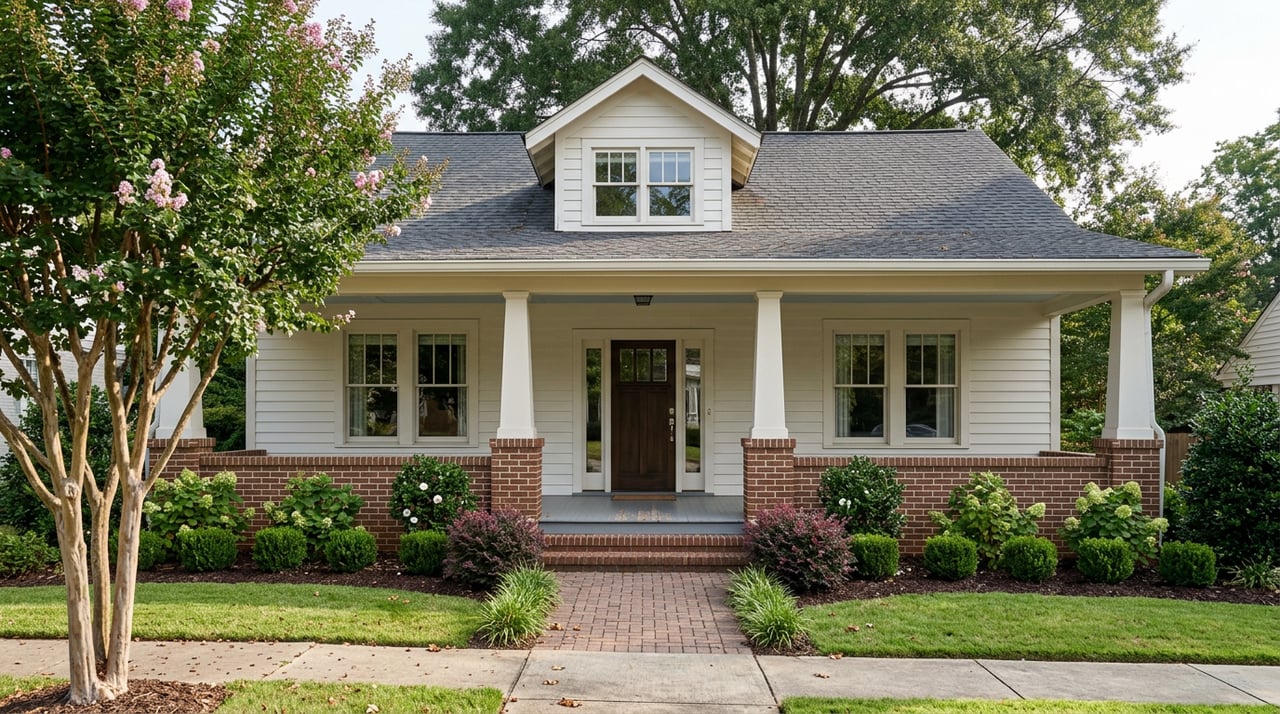
Homes within roughly a half mile of the Square include older cottages, bungalows, and historic renovations. Walkability and character drive interest, and updated homes can command a premium per square foot. Lots are often smaller, so condition and finish level matter more in pricing.
Near-Square neighborhoods
From about 0.5 to 2 miles out, you will see a mix of renovated older homes, mid-century properties, and modern infill. Buyers here value proximity to restaurants and events with a bit more yard. DOM can be fast when a home is move-in ready and priced to recent comps.
Outer Marietta and West Cobb pockets
Farther out, many areas feature 1980s to 2000s subdivisions with larger lots and more finished square footage. Price comparisons work best when you match age, size, and subdivision amenities. Newer homes can trade more on total livable space than on walkability.
Townhome and condo clusters
Attached homes near key corridors often appeal to first-time buyers and downsizers. When priced well, these can see quicker DOM due to lower price points and simpler maintenance.
What to measure by area
When you compare micro-areas, track the same metrics the same way:
- Median sale price and price per square foot for the past 30, 90, and 365 days
- Median DOM and the share that sell in under 14 days
- Months of inventory and the pace of new listings
- Share of price reductions or withdrawn listings
- Typical lot sizes and median year built to explain price differences
Local dynamics can shift results. Proximity to Square amenities can lift demand. School boundaries within Marietta City Schools and broader Cobb County can shape buyer preferences. Zoning or infill projects can affect near-term supply. You can scan upcoming items on the City of Marietta planning page for context.
How to read comps like a pro
Pricing well in Marietta starts with sound comparable sales.
What is a comp?
A comparable sale is a recent, similar property used to estimate market value. The best comps match location, size, beds and baths, lot, condition, age, and product type.
How to select comps in Marietta
Use this simple checklist:
- Time: Prefer sales from the last 3 to 6 months. Stretch to 12 months if volume is low.
- Distance: Within 0.25 to 0.5 mile near the Square. Up to 1 to 2 miles in lower-volume pockets.
- Size and layout: Within about 10 to 15 percent of square footage, with similar bed and bath counts.
- Lot and street type: Compare like lots and street settings.
- School zone: Keep comps inside the same boundary when possible.
- Condition: Do not mix renovated with original condition without a clear adjustment.
- Product type: Do not mix single-family with attached homes without adjustments.
Making simple adjustments
Start with price per square foot, then consider:
- Bedrooms and bathrooms: Extra beds and half baths can add value, within reason
- Lot size and usability: Larger, more usable lots often trade higher
- Renovation and systems: Updated kitchens, baths, roofs, and HVAC can earn premiums
- Basement finish, garages, pools: Value varies by area and buyer pool
When exact per-unit adjustments are unclear, rely on patterns from MLS reports or consult an appraiser. If sample sizes are small, expand the radius or timeframe and note the limits.
Comp confidence scale
- High confidence: Several recent comps on nearby blocks with matching finishes
- Moderate confidence: Wider geography or a mix of ages and conditions
- Low confidence: Very few recent sales. Consider a professional appraisal or broader price bands.
Common pitfalls to avoid
- Mixing renovated and unrenovated homes without adjustment
- Using list prices instead of closed sale prices
- Pulling comps from areas with different market dynamics
- Letting one high outlier skew the target. Medians help reduce the impact of extremes.
Seasonality and timing your move
Marietta follows a clear seasonal rhythm. Plan around these patterns to line up pricing and timelines.
Typical yearly cycle
- Spring, March through June: Busiest season with more new listings, faster DOM, and firm pricing.
- Summer, June through August: Still active, though vacations and school schedules can slow some segments.
- Fall, September through November: Demand eases. Motivated sellers often price more competitively.
- Winter, December through February: Slowest period with the fewest listings. Buyers see less competition, but choices are limited.
What this means for you
- Sellers: Spring often brings more showings and better odds of multiple offers. Winter can work for well-prepped, well-priced homes.
- Buyers: Late fall and winter can offer more room to negotiate, with fewer competing buyers. Be ready to act when the right home appears.
- Micro-area nuance: Homes that market walkability to the Square can perform well even outside spring if condition and pricing are aligned.
Practical timing tips
- Want more choice and are price sensitive? Aim for late winter into spring. Monitor month-over-month momentum.
- Want fewer competing offers? Target late fall into winter and accept a smaller pool of options.
- Planning around school calendars? Start preparations 3 to 4 months early so your closing lines up with your desired move date.
Simple ways to check live data
You can keep a real-time pulse with a few trusted sources:
Next steps for buyers and sellers
- If you plan to sell: Start with a micro-neighborhood CMA and a pre-list plan. Small updates and staging can boost photos, foot traffic, and results. With Compass-backed presentation and coordinated prep, you can maximize market impact.
- If you plan to buy: Define your target micro-area, budget, and must-haves. Set alerts for new listings and be ready to act when a strong comp match hits the market.
If you want a neighborhood-level pricing read and a step-by-step plan to buy or sell with confidence, connect with Roxanne Sellers for a personalized market review and strategy.
FAQs
Are prices going up or down in Marietta right now?
- Track median sold price and price per square foot over the last 30, 90, and 365 days, and compare to prior periods using data from the First Multiple Listing Service.
Is it a buyer’s or seller’s market in my micro-area?
- Check months of inventory, median DOM, and the list-to-sale price ratio. Under 3 months of supply with fast DOM usually favors sellers.
How long will my house take to sell near Marietta Square?
- Review median DOM for a 0.5-mile radius around the Square and compare recent closings with similar condition and size to set expectations.
How much can I expect per square foot in Marietta?
- Pull recent closed sales of similar homes in your micro-area and match age, finish level, and lot. Use medians to avoid skew from outliers.
Should I list now or wait for spring in Marietta?
- Spring brings more listings and buyers, but well-prepped homes can sell year-round. Balance seasonality with your timeline, local supply, and current momentum.
How do school zones affect my pricing strategy?
- Compare sales inside the same school boundary and watch DOM and list-to-sale ratios. Keep language neutral and rely on matched comps rather than assumptions.
How do I know if an offer is strong?
- Compare the offer to recent list-to-sale ratios and DOM for similar homes. Terms like closing timeline, contingencies, and repair requests also matter.