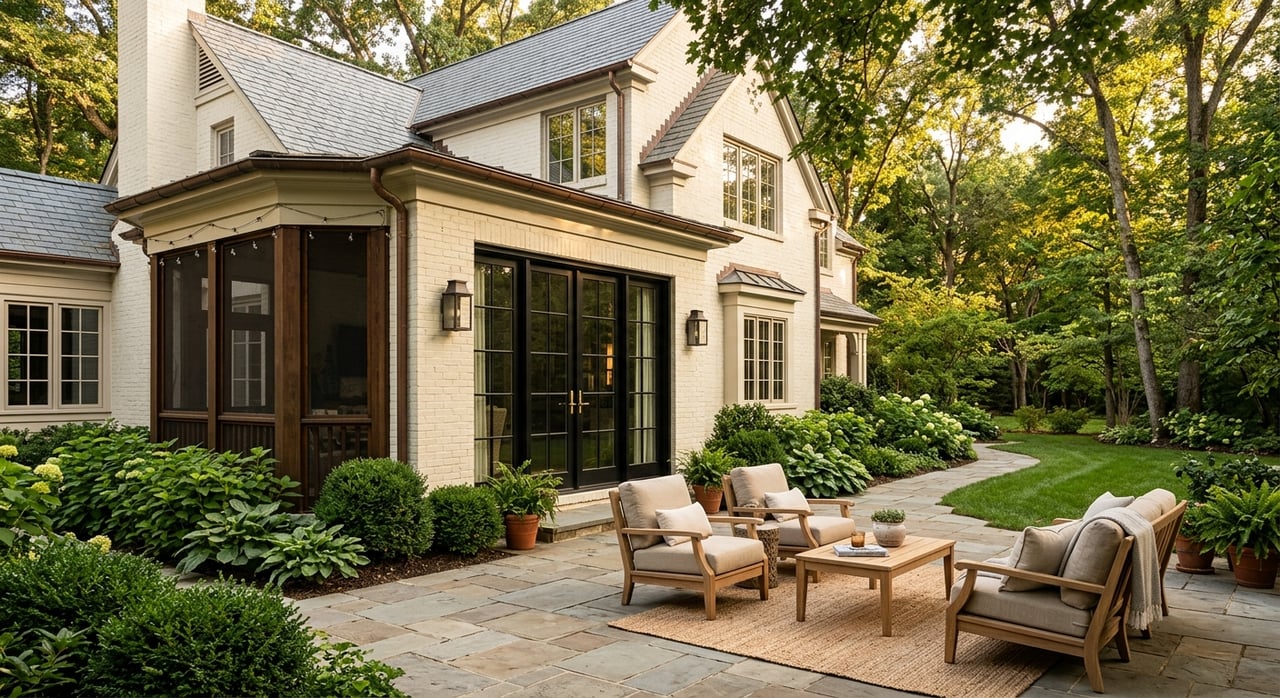
Roswell Neighborhoods Guide: Historic vs East Roswell
June 25, 2026
June 25, 2026
Trying to choose between Historic Roswell and East Roswell? You are not alone. Many buyers and relocating households love Roswell’s overall appeal, but the day-to-day feel can change a lot depending on which side of town you choose. This guide will help you compare walkability, parks, commute patterns, housing feel, and practical budget factors so you can focus on the part of Roswell that fits your lifestyle best. Let’s dive in.
Before comparing these two areas, it helps to start with Roswell’s bigger picture. The latest Census QuickFacts estimate Roswell’s population at 92,227 across 40.72 square miles, which means you get a full city with distinct pockets rather than one uniform neighborhood experience.
Roswell also gives you a useful budget baseline. The median value of owner-occupied homes is $567,100, the median gross rent is $1,810, and the mean travel time to work is 26.9 minutes. The city’s published 2025 millage rate is 4.949 mills, and the city says that city taxes account for about 16% of a resident’s total property tax bill, with Fulton County and Fulton County Schools making up the rest.
That last point matters when you compare Historic Roswell and East Roswell. Your city tax rate is not changing from one side of Roswell to the other, so your bigger cost differences will usually come from purchase price, home condition, and the type of updates or maintenance a property may need.
Historic Roswell is centered around Town Square, Canton Street, and the SR 9 and Atlanta Street corridor. City planning materials describe the Historic District as a preservation-focused area designed to protect historic character while supporting a sustainable and thriving downtown.
If you are drawn to places with a strong sense of identity, this part of Roswell stands out. The Downtown Development Authority focuses on maintaining the district’s small-town character, and the Historic Preservation Commission reviews projects within the 640-acre historic district.
If walkability is high on your list, Historic Roswell is usually the stronger fit. The concentration of downtown destinations, civic spaces, historic landmarks, and trail access creates a more connected feel than many other parts of the city.
That said, it is important to keep expectations realistic. Historic Roswell may feel more walkable, but it still depends heavily on the busy SR 9 and Atlanta Street corridor. The city’s Historic Gateway project reflects that reality by focusing on safer pedestrian and bicycle facilities in that area.
A big part of Historic Roswell’s appeal is its visible history. Barrington Hall sits on seven acres in downtown Historic Roswell, Bulloch Hall dates to 1839, and Mimosa Hall is described by the city as a cornerstone of the Historic District.
These public landmarks help shape the area’s atmosphere. If you enjoy architecture, established streetscapes, and a downtown setting that feels tied to Roswell’s past, Historic Roswell offers a distinctive experience that is hard to duplicate elsewhere in the city.
Historic Roswell also gives you convenient access to outdoor space without leaving the central part of town. Vickery Creek and Old Mill Park include trails, a covered bridge, mill ruins, and an overlook of the historic dam and waterfall.
Roswell Area Park adds more everyday recreation with trails, fields, and a pool. For buyers who want a balance of downtown energy and nearby green space, that combination can be a major plus.
From a housing perspective, Historic Roswell is best described as older, character-rich, and more regulated. Because exterior changes in the historic district may require review, buyers should expect more oversight for additions, façades, demolition, and other exterior alterations than they would in non-historic areas of Roswell.
That does not make the area better or worse. It simply means you should think carefully about your long-term plans for the property. If you love preserved character, that oversight may feel reassuring. If you want maximum flexibility for exterior changes, it may feel more limiting.
East Roswell is generally understood as the Fouts Road, Holcomb Bridge Road, and Old Alabama Road side of town, including the area around East Roswell Park and Big Creek Park. Compared with Historic Roswell, the east side has a more suburban, recreation-oriented, and commute-aware feel.
For many buyers, that difference is exactly the point. East Roswell can be a strong match if your ideal routine centers on park access, sports facilities, trails, and a more conventional suburban layout.
East Roswell’s recreation footprint is one of its biggest strengths. East Roswell Park includes a dog park, disc golf, fitness center, playground, pond, soccer and softball fields, a sprayground, tennis courts, and walking trails.
The East Roswell Recreation Center adds aerobics space, classrooms, a basketball gym, free Wi-Fi, a gymnastics and dance center, and meeting rooms. The Art Center at East Roswell Park expands that mix even further with gallery, classroom, culinary, and clay-studio programming.
If your weekly routine includes practices, classes, casual outdoor time, or community programming, East Roswell offers a dense cluster of amenities that supports that lifestyle well.
East Roswell’s commute story is a tradeoff. On one hand, the area aligns more naturally with Holcomb Bridge Road and access toward SR 400, which can be helpful depending on where you work or travel most often.
On the other hand, Roswell’s transportation department identifies Holcomb Bridge Road as the city’s only access to SR 400 and its largest transportation challenge. In practical terms, that means the east side may offer convenient highway-oriented positioning, but it can also bring more exposure to congestion.
Transit and trail infrastructure also play a role here. Route 142 runs along Holcomb Bridge Road, and the Old Alabama Road multi-use trail project is intended to improve bike and pedestrian access between Big Creek Park and Wooten Road.
Big Creek Park helps define the east side’s outdoor appeal. The park offers biking, hiking, multi-use trails, and river or creek access, giving East Roswell a strong connection to active recreation.
This is one reason East Roswell often appeals to buyers who want more of a parks-and-trails rhythm in daily life. The feel is less about a central historic core and more about spreading out into larger recreational spaces.
When you compare housing feel, East Roswell is best framed as less historically constrained than Historic Roswell. It has a more conventional suburban feel, and buyers generally do not face the same historic-district review environment tied to downtown Roswell.
That can matter if you prefer a setting where the neighborhood experience is shaped more by parks, roads, and residential pockets than by preservation oversight. As always, the exact feel can still vary from one street or subdivision to the next.
If you are deciding between the two, it often helps to focus on how you want your week to feel, not just what looks best on a map.
| Factor | Historic Roswell | East Roswell |
|---|---|---|
| Overall feel | Preservation-centered, character-rich, downtown-oriented | Suburban, recreation-focused, spread out |
| Walkability | Stronger relative walkability | More car-dependent overall |
| Outdoor access | Close to Vickery Creek and Roswell Area Park | Strong cluster around East Roswell Park and Big Creek Park |
| Commute alignment | More tied to SR 9 and Atlanta Street | More tied to Holcomb Bridge Road and SR 400 access |
| Traffic pattern | Busy arterial corridor around downtown | Highway-access advantage with congestion tradeoffs |
| Housing context | Older homes and historic-district oversight in some areas | Less historically constrained overall |
The best choice depends on what matters most in your day-to-day life. Start by thinking about where you spend your time, how often you commute, and whether you picture yourself wanting a downtown environment or a recreation-centered suburban setting.
Historic Roswell may be a better fit if you want:
East Roswell may be a better fit if you want:
There is also room between these two options. Areas around Roswell Area Park and Woodstock Road can feel like a middle ground, with strong recreation access but less of a downtown identity than Historic Roswell.
If school attendance is part of your home search, do not rely on neighborhood names alone. Fulton County Schools uses address-based attendance zones and advises buyers and residents to verify a home’s school assignment by exact address through its interactive map.
That is especially important in Roswell, where neighborhood identity and school-zoning boundaries do not always line up neatly. If schools are a key decision point for your move, address-level verification should be part of your process early on.
Historic Roswell and East Roswell both offer strong reasons to buy in Roswell, but they serve different lifestyles. Historic Roswell leans more toward walkability, preserved character, and a downtown-centered experience, while East Roswell leans more toward recreation, suburban convenience, and corridor-based commuting.
The right answer is not about which area is universally better. It is about which one fits your routine, priorities, and comfort level with things like traffic patterns, park access, and housing style. If you want help narrowing your options, comparing homes, or understanding how these lifestyle differences show up in the market, Roxanne Sellers can guide you through the process with clear, personalized advice.
Roxanne’s clients enjoy her personal touches, and it is truly her joy to ultimately fulfill her client’s requests throughout the transaction and graciously serve them.With only her clients’ best interests in mind, she acts as a skilled advocate on their behalf.