Relocating to Atlanta Suburbs or Intown? How to Decide
July 16, 2026
July 16, 2026
Thinking about relocating to Atlanta and stuck on the classic question: intown or suburbs? You are not alone, and the answer is usually less about a label and more about how you want to live day to day. If you are trying to balance commute, home style, budget, and school-zone planning, this guide will help you sort through the tradeoffs with more clarity. Let’s dive in.
One of the biggest mistakes relocating buyers make is treating Atlanta like a simple two-box choice. In reality, it is more of a spectrum.
Atlanta has 242 distinct neighborhoods, and the BeltLine’s 22-mile loop connects more than 45 neighborhoods. The City of Atlanta describes many urban neighborhoods as small-scale, historic, walkable areas where homes may sit near a commercial district and housing can include townhomes, small apartment buildings, and two- or three-family homes.
That matters because “intown” is not one thing. It is a collection of different neighborhood experiences, just like the suburbs are not one uniform category either.
When people say intown Atlanta, they are often talking about neighborhoods with a more walkable, mixed-density feel. In many of these areas, proximity to restaurants, parks, trails, and neighborhood business districts is part of the appeal.
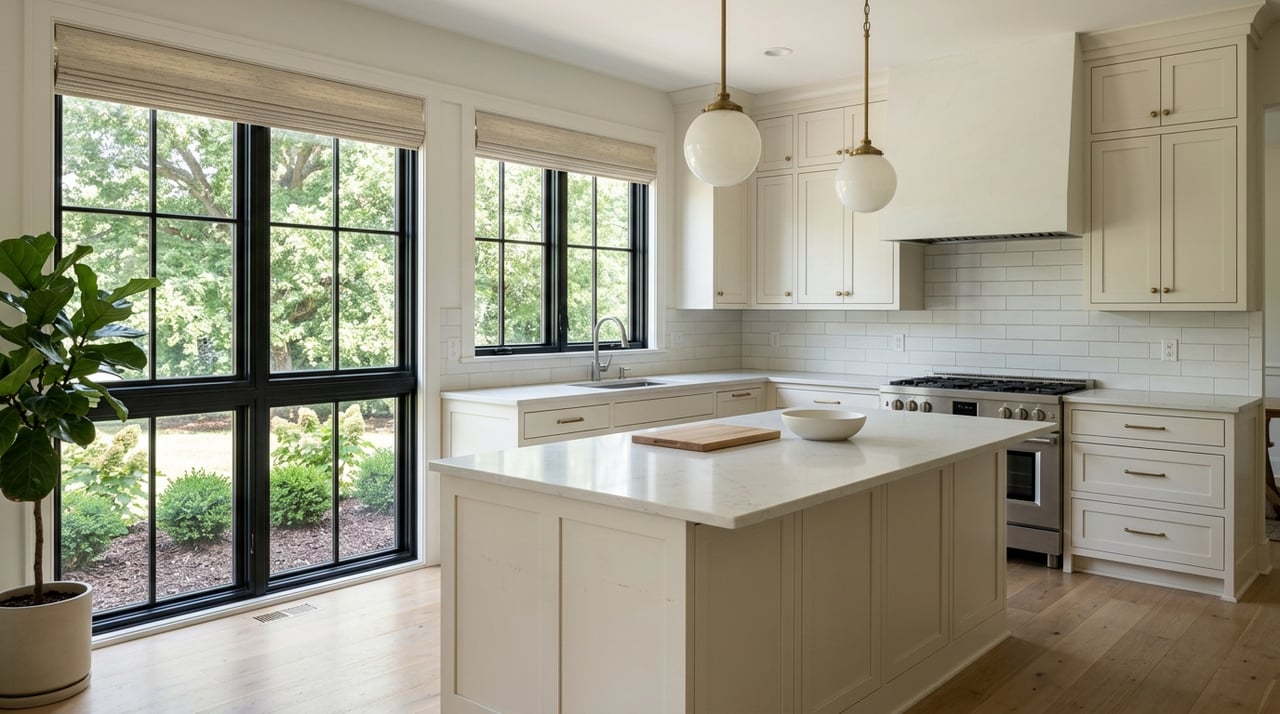
You may also find a wider range of housing types. Depending on the exact area, that can include condos, townhomes, older single-family homes, and smaller multifamily buildings.
For some buyers, that lifestyle feels energizing and convenient. For others, the tradeoff may be less space, a different parking setup, or a home that needs more updating than a newer suburban property.
The suburban side of the conversation also needs nuance. Smyrna and Marietta often feel like close-in suburban or maturing-market options, while East Cobb and Roswell are better described as more established suburban choices.
That distinction can help if you are relocating and trying to picture how daily life may feel in each area. A place like Smyrna or Marietta may offer a middle-ground option, while Roswell or East Cobb may line up more with buyers looking for a more residential suburban setting.
The numbers support that broader pattern. Roswell has the highest owner-occupied rate in this comparison set at 71.9% and a median home value of $567,100, while Cobb County overall has a 67.0% owner-occupied rate and a median home value of $407,200.
If you only remember one thing from this article, make it this: your job location should shape your shortlist before the city-versus-suburb debate does.
Metro Atlanta remains heavily auto-oriented, and Atlanta Regional Commission data shows that the share of employees commuting more than 30 minutes rose from 47.8% in 2012 to 50.4% in 2021. ARC also notes that MARTA rail access becomes less practical as you move farther from downtown because the system is designed in a radial pattern.
In plain terms, a home that feels convenient for one household may feel frustrating for another. That is especially true if one person works near Midtown and the other needs access to the Perimeter corridor, Buckhead, or Downtown.
ARC planning documents identify Downtown Atlanta, Midtown, Buckhead, and the Perimeter corridor as major employment centers. Before you fall in love with any neighborhood or suburb, map your routine to the actual office location and your expected in-office schedule.
A three-day hybrid schedule can open up more choices. A five-day commute, especially during rush hour, may push you to prioritize convenience much more heavily.
Ask yourself a few practical questions:
Your answers can quickly narrow the search. That is often more useful than starting with a broad idea like “we want suburbs” or “we want intown.”
Another common mistake is assuming intown always costs more and the suburbs always cost less. The data does not support that simple story.
According to Census figures in this comparison set, Atlanta city has a median owner-occupied home value of $439,600. Smyrna is at $449,500, and Marietta is at $448,500, putting them in a similar broad value band. Roswell stands apart as the highest-priced market in this group at $567,100.
That means you should compare monthly ownership cost and lifestyle fit, not just headline price. A lower purchase price may come with a longer commute, while a smaller intown home may offer better access to amenities and job centers.
| Area | Median Home Value | Mean Travel Time to Work | Owner-Occupied Rate |
|---|---|---|---|
| Atlanta city | $439,600 | 26.5 minutes | 46.4% |
| Smyrna | $449,500 | 29.8 minutes | 59.4% |
| Marietta | $448,500 | 27.5 minutes | 47.2% |
| Cobb County | $407,200 | 29.4 minutes | 67.0% |
| Roswell | $567,100 | 26.9 minutes | 71.9% |
These figures do not tell you which neighborhood is best. They do show why a simple “city versus suburbs” approach can miss the real story.
When you compare options, think about the full monthly picture:
This is where relocating buyers often gain clarity. The best fit is not always the cheapest home or the biggest home. It is often the one that balances your monthly cost with your daily quality of life.
For many buyers, the real decision comes down to how they want a normal Tuesday to feel.
If you are drawn to walkability, trail access, mixed housing types, and older neighborhood character, intown areas may feel like a better match. If you want a more residential setting, different lot sizes, or a home form that is more common in established suburban markets, places like East Cobb or Roswell may rise to the top.
Smyrna and Marietta often appeal to buyers who want something in between. They can offer a close-in suburban feel without reading as far out on the metro map.
If school planning is part of your move, do not assume city names tell the full story. School-zone fit should be verified by exact property address.
Atlanta Public Schools provides an address-based School Zone Locator. Fulton County Schools offers a Find Your School map by home address, Cobb County Schools provides school-finding tools and notes that zone maps are approximate, and Marietta City Schools instructs residents to confirm through its property search tool.
This is important because the answer can change by street segment. If schools are a priority, check the zone before you narrow your list too far and definitely before you make an offer.
Relocating to Atlanta gets easier when you follow a practical process instead of chasing a perfect answer. Here is a framework that works well.
Start with office location, hybrid schedule, and your maximum acceptable commute. If your work ties you to Downtown, Midtown, Buckhead, or the Perimeter corridor, let that shape your first map.
Decide what housing form actually fits your life. You may want a condo, a townhome, an older intown house, or a larger-lot suburban home.
That choice can help you filter faster than a city-or-suburb label alone. It also keeps expectations realistic about space, age, maintenance, and layout.
Look at the full budget, not just the asking price. Include taxes, HOA dues, utilities, parking, and commuting costs.
This step is especially useful in Atlanta, where Smyrna and Marietta may land near Atlanta city on value, while Roswell sits noticeably higher in this data set.
If school zones matter to your move, verify them before finalizing your shortlist. Waiting until the offer stage can lead to unnecessary disappointment or a rushed pivot.
Drive the commute during weekday rush hour. Visit the area at night and on the weekend.
Pay attention to parking, noise, grocery access, parks, and trail connections. In some intown areas, BeltLine access may be a major lifestyle factor, while in many suburban areas, drive times may matter more.
Very few homes win on every line item. The right move is usually the one that best balances commute, housing type, school-zone fit, and budget for the next three to five years.
That approach is especially helpful if your move timeline is six to eighteen months. It keeps the search grounded in real priorities instead of broad assumptions.
The best place to live in Atlanta depends less on whether it is technically intown or suburban and more on whether it fits the life you will actually live. A walkable intown neighborhood may be worth it for one buyer, while a more established suburban setting may be the clear winner for another.
The key is to compare Atlanta as a set of tradeoffs, not a set of stereotypes. When you start with commute, housing type, monthly budget, and address-specific school checks, the right answer usually becomes much clearer.
If you are planning a move and want help narrowing the map, comparing neighborhoods, or building a relocation strategy around your timeline, connect with Roxanne Sellers.

Roxanne’s clients enjoy her personal touches, and it is truly her joy to ultimately fulfill her client’s requests throughout the transaction and graciously serve them.With only her clients’ best interests in mind, she acts as a skilled advocate on their behalf.